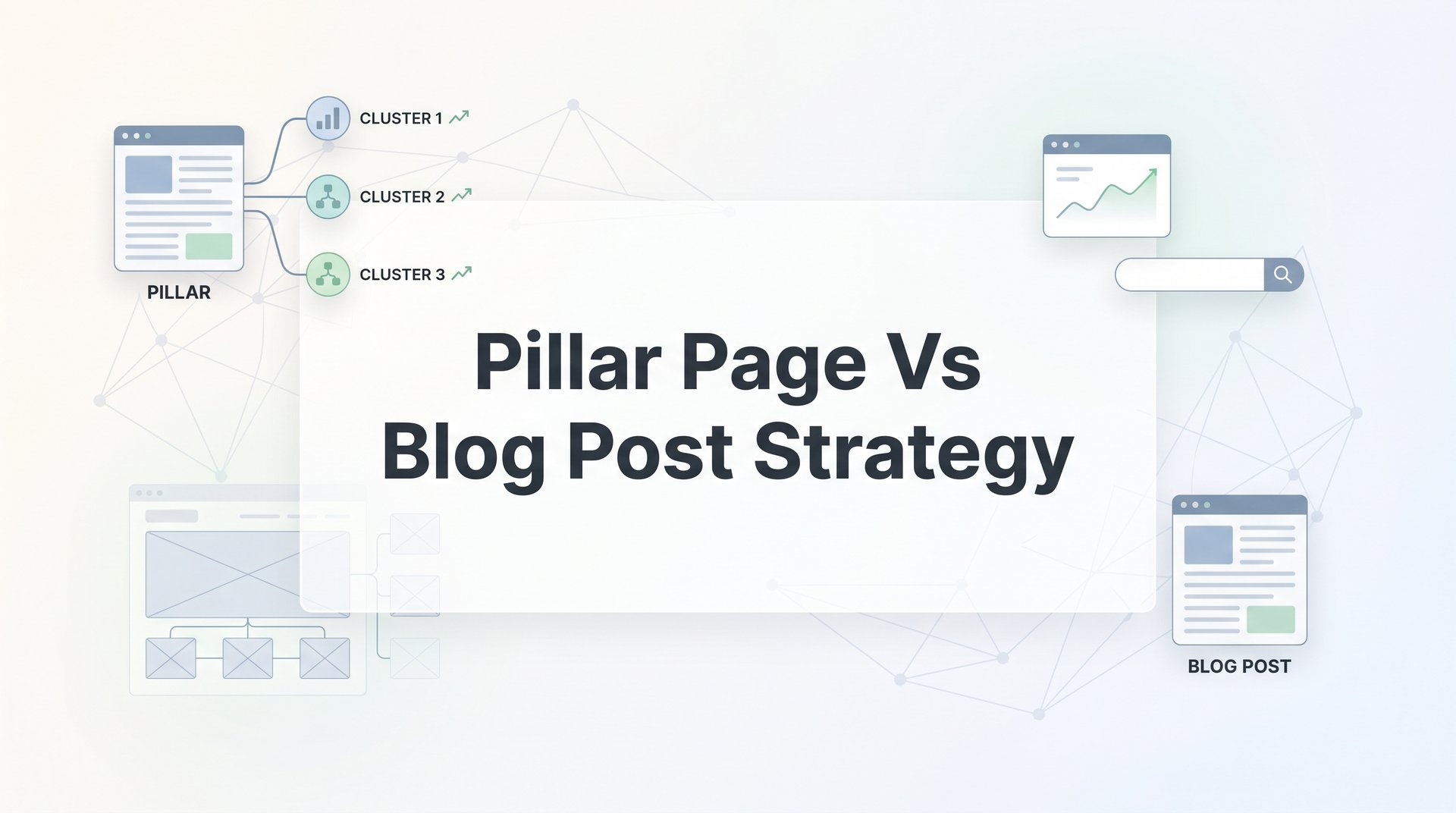
A pillar page and blog post strategy is one of the most reliable ways to build topical authority and create compounding organic traffic over time. The concept is straightforward: create one comprehensive pillar page on a broad topic, then support it with a cluster of focused blog posts that link back to it. Search engines reward this structure because it signals depth, relevance, and expertise across a subject area.
The challenge is not understanding the model. The challenge is executing it well. You need to coordinate keyword research, content planning, on-page optimization, internal linking, and performance tracking, often across dozens of pages and multiple team members.
The right tools make that coordination manageable. Here are the top tools for planning, building, and managing a pillar-and-cluster content strategy in 2026, organized by the role they play in your workflow.
1. North Valley Solutions
Best for: SMBs that want a done-for-you pillar page strategy built around lead generation and revenue growth.
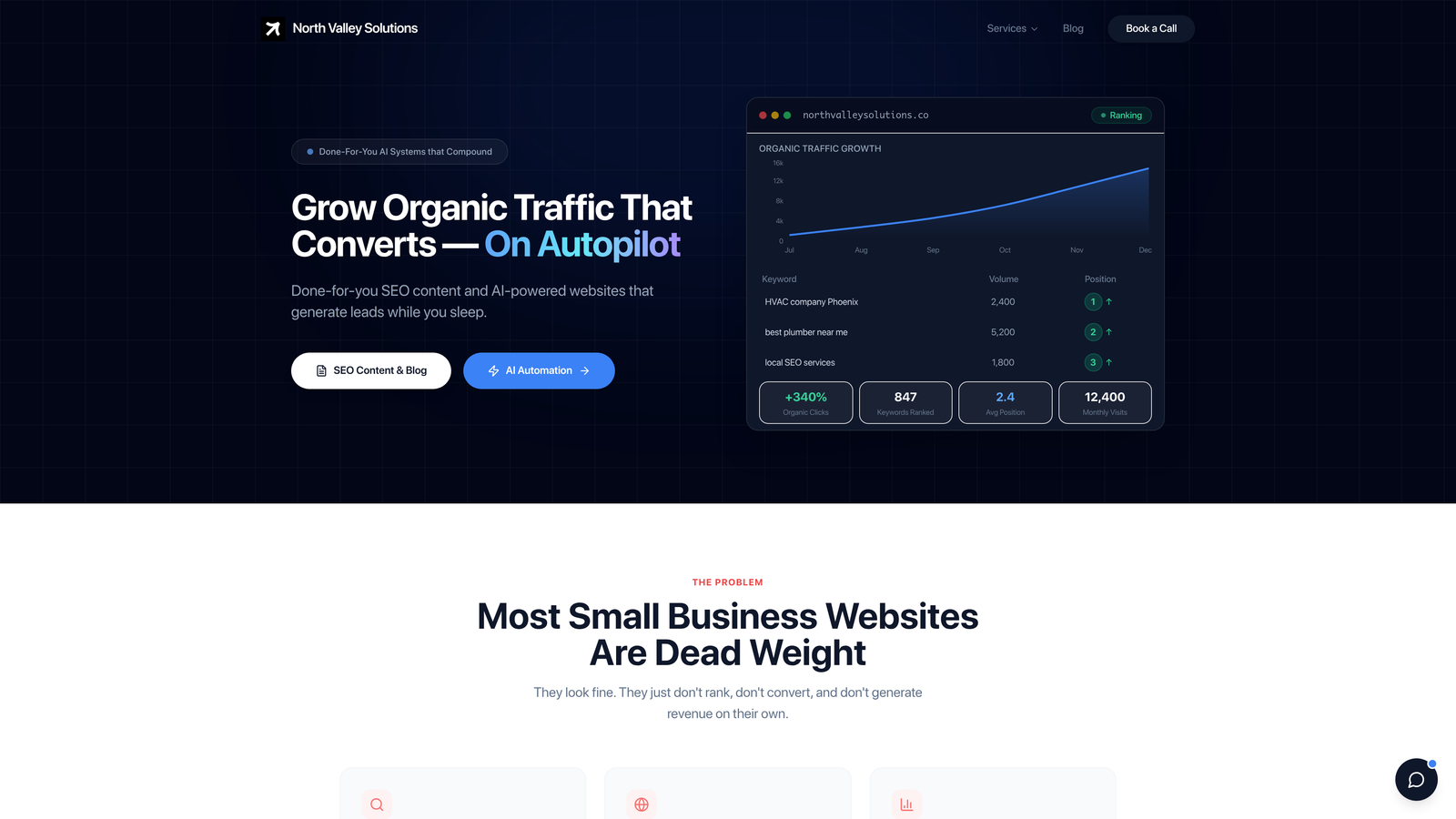
North Valley Solutions is a full-service SEO and AI-powered revenue system that builds pillar page strategies as part of a broader content-to-conversion framework for small and mid-sized businesses.
Where This Tool Shines
Most tools on this list help you execute pieces of a pillar-cluster strategy. North Valley Solutions builds the entire system for you. That includes the content architecture, the internal linking structure, and the conversion layer that turns organic traffic into booked sales calls.
What separates them from a typical agency is their exclusive market model. They only partner with one business per niche per market, which means your strategy is built without the conflict of serving a competitor in your space. If you want a structured content system tied directly to revenue outcomes rather than just rankings, this is where to start.
Key Features
Done-for-You Content Architecture: Pillar pages and cluster blog posts are planned, written, and published as part of a coordinated SEO strategy mapped to your business goals.
Conversion-Focused SEO: Content is structured not just to rank but to move visitors toward a specific action, whether that is a form fill, a phone call, or a booked appointment.
AI-Powered Lead Capture and Nurturing: Automated systems capture leads from organic traffic and move them through a nurturing sequence designed to book calls on your calendar.
Exclusive Market Partnerships: North Valley Solutions does not work with competing businesses in the same niche and geography, so your content strategy stays proprietary to you.
Best For
Business owners who understand the value of SEO content but do not have the time or internal resources to build and manage a pillar-cluster system themselves. Particularly well-suited for service businesses that rely on booked consultations or sales calls as their primary conversion event.
Pricing
Custom pricing based on business needs and scope. Visit northvalleysolutions.co/Pricing for details.
2. Semrush
Best for: Comprehensive keyword research and topic cluster planning at scale.
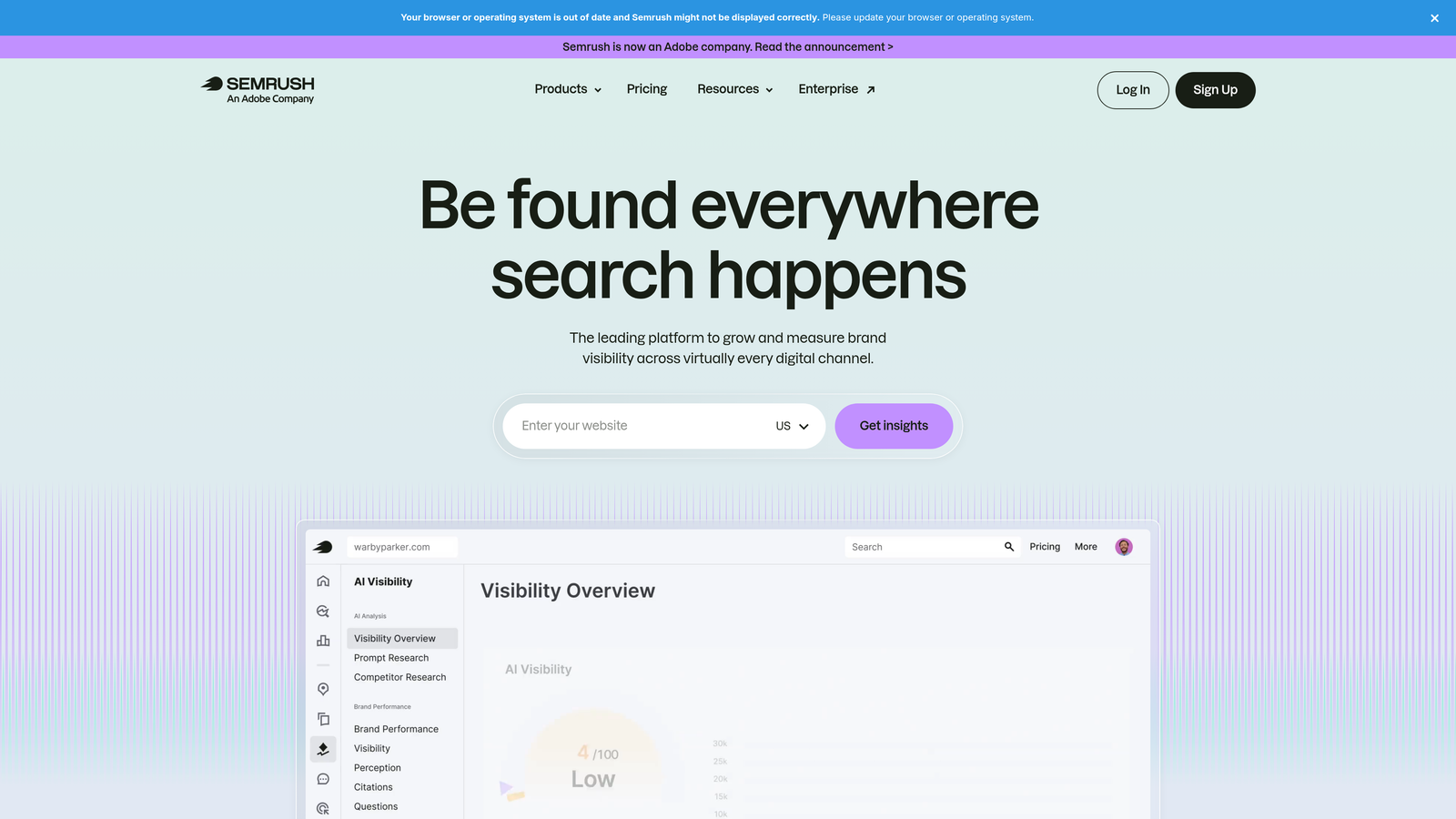
Semrush is an all-in-one SEO platform with dedicated tools for planning and managing pillar-cluster content architectures from research through performance tracking.
Where This Tool Shines
Semrush is particularly strong at the planning phase. The Topic Research tool visualizes subtopics around any seed keyword, making it easy to identify which supporting blog posts should surround your pillar page. You can see what questions people are asking, which subtopics have search volume, and how competitive each angle is.
Once your content is live, Position Tracking lets you monitor how each page in your cluster performs over time, so you can identify gaps and double down on what is working.
Key Features
Topic Research Tool: Generates a visual map of subtopics, headlines, and questions related to any seed keyword, ideal for building cluster outlines.
Keyword Magic Tool: Groups related search terms by intent and semantic similarity, helping you assign the right keywords to each cluster post.
Content Audit: Evaluates your existing pages for SEO health and flags underperforming content that may need to be consolidated or updated.
Position Tracking: Monitors keyword rankings across your full cluster so you can measure the cumulative impact of your strategy.
Best For
Marketing teams and SEO professionals who need a single platform for keyword research, competitive analysis, and ongoing content performance monitoring across a large content operation.
Pricing
Starts at $139.95/month (Pro plan). A free tier with limited access is available for getting started.
3. Ahrefs
Best for: Keyword research, content gap analysis, and internal link auditing for pillar-cluster planning.
Ahrefs is a powerful SEO toolset known for its backlink data, keyword research depth, and content analysis capabilities that inform strong pillar-cluster planning decisions.
Where This Tool Shines
Ahrefs excels at helping you understand what your competitors are ranking for that you are not. The Content Gap tool compares your domain against multiple competitors and surfaces keyword opportunities you have not yet covered, which is invaluable when expanding a content cluster.
The Keywords Explorer groups terms by parent topic, making it easier to identify which keywords belong on a pillar page versus which ones are better suited for individual cluster posts.
Key Features
Content Explorer: Searches billions of pages to find high-performing content on any subtopic, helping you validate cluster ideas before investing in production.
Keywords Explorer with Parent Topic Grouping: Clusters related keywords around a central theme, showing you the natural hierarchy of pillar and supporting content.
Site Audit with Internal Link Analysis: Identifies orphan pages and weak internal linking patterns so you can strengthen the connections within your content cluster.
Content Gap Tool: Surfaces keyword opportunities your competitors rank for that your site has not yet addressed, ideal for expanding an existing cluster.
Best For
SEO-focused teams who prioritize competitive intelligence and want deep keyword data to guide both the pillar page topic selection and the full cluster architecture.
Pricing
Starts at $129/month (Lite plan). Free tools are available through Ahrefs Webmaster Tools for site owners.
4. Surfer SEO
Best for: On-page optimization and real-time content scoring for individual pillar and cluster pages.
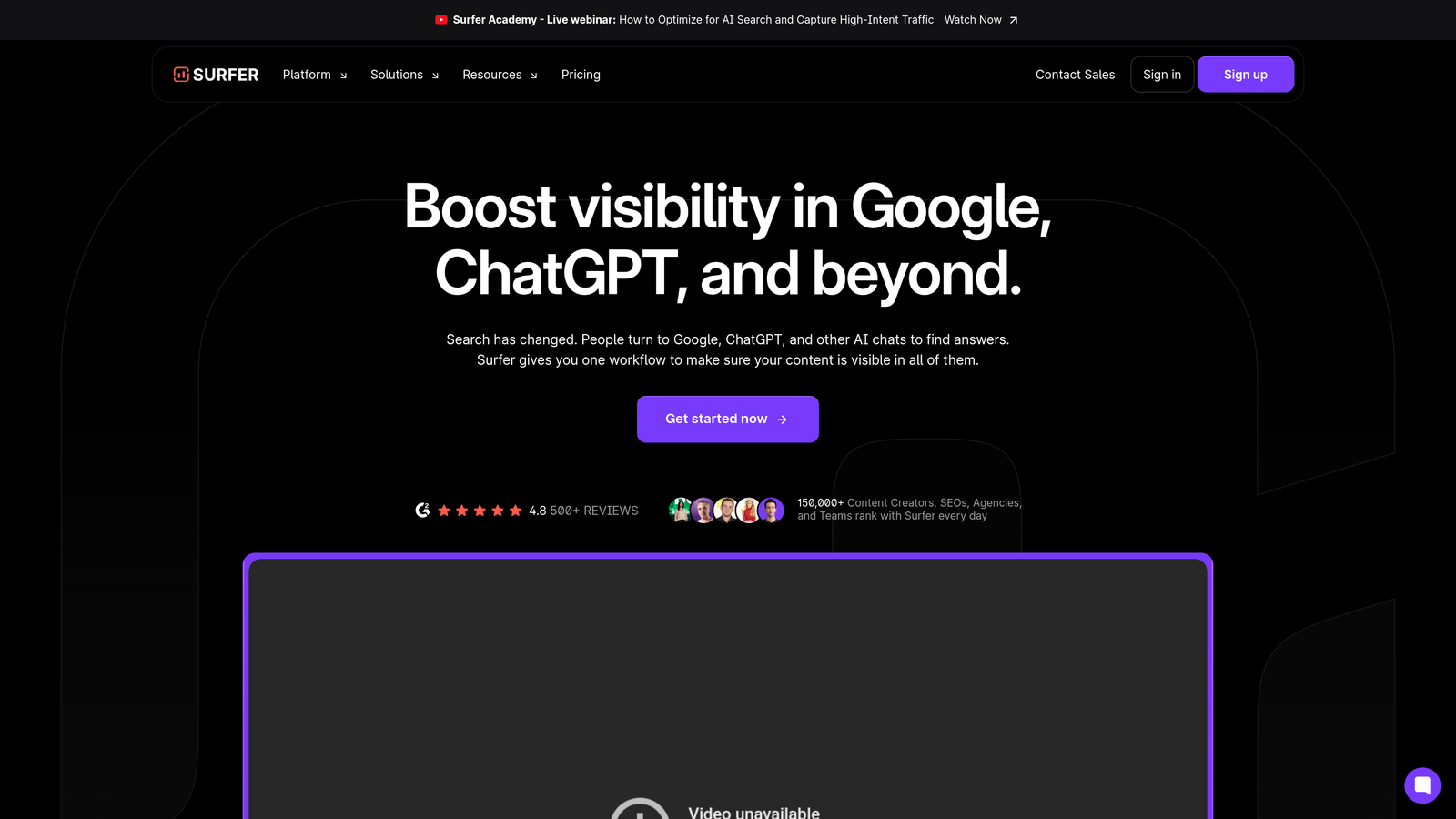
Surfer SEO is an on-page optimization platform that provides real-time content scoring and NLP-driven recommendations as you write each page in your cluster.
Where This Tool Shines
Surfer is built for the writing phase. While other tools help you plan what to write, Surfer tells you how to write it. The Content Editor scores your draft in real time based on keyword usage, word count, heading structure, and semantic terms that top-ranking pages include.
The Content Planner feature also helps you generate cluster outlines from a single seed keyword, giving you a starting framework for how many supporting posts you need and what each one should cover.
Key Features
Content Editor with Real-Time Scoring: Grades your content as you write based on NLP analysis of top-ranking pages, with specific term recommendations to improve your score.
SERP Analyzer: Breaks down ranking factors for any keyword so you understand what Google is rewarding in your specific niche before you write.
Content Planner: Generates a cluster of related topics from a seed keyword, complete with suggested article titles and content groupings.
Google Docs and WordPress Integration: Brings Surfer's scoring directly into the tools your writers already use, reducing friction in the production workflow.
Best For
Content writers and editors who want clear, data-driven guidance on how to optimize each page in a cluster without needing deep SEO expertise to interpret the recommendations.
Pricing
Starts at $99/month (Essential plan).
5. MarketMuse
Best for: Evaluating topical authority gaps and generating AI-powered content briefs for pillar and cluster pages.
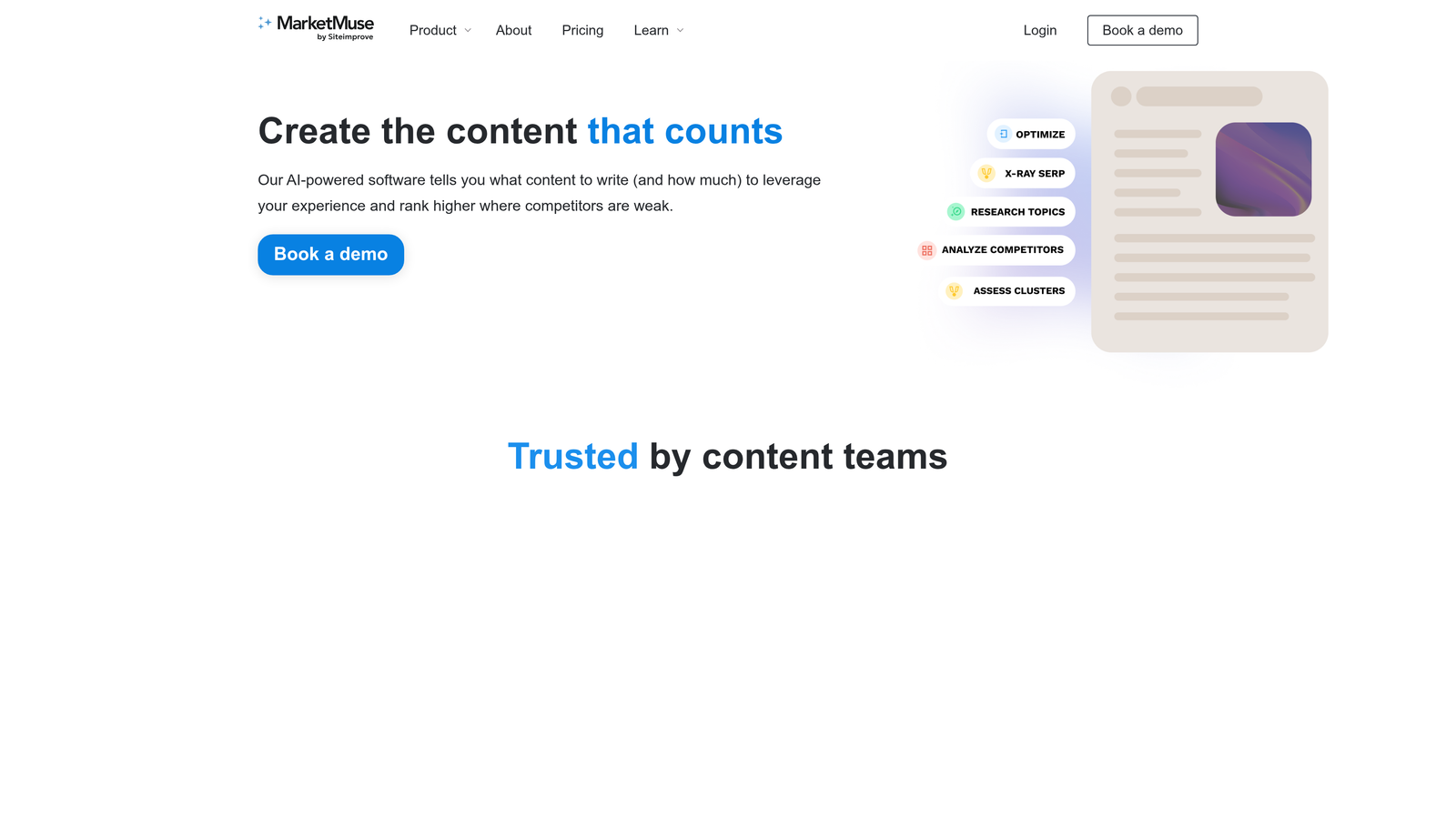
MarketMuse is an AI content planning platform that analyzes your site's existing coverage and identifies exactly where your topical authority is strong, weak, or missing entirely.
Where This Tool Shines
MarketMuse is uniquely valuable because it evaluates your content relative to your own domain, not just the broader competitive landscape. It generates personalized difficulty scores based on what your site has already covered, so you know which cluster topics will be easier to rank for given your current authority level.
For businesses building a pillar strategy from scratch, the Inventory feature is especially useful. It audits all your existing content and shows you which topics you have thin coverage on, which pages compete with each other, and where new cluster posts would have the most impact.
Key Features
Personalized Difficulty Scores: Ranks topic difficulty based on your domain's existing content coverage, not generic competition metrics.
Topic Model: Maps all the related concepts and subtopics that should be covered on a given pillar page, ensuring comprehensive semantic coverage.
Automated Content Briefs: Generates detailed briefs with target word counts, subtopics to address, and questions to answer for each page in your cluster.
Inventory Analysis: Audits your existing content to surface gaps, cannibalization issues, and opportunities to consolidate thin pages into stronger cluster posts.
Best For
Content strategists and SEO managers at growing businesses who need a systematic way to prioritize which pillar topics and cluster posts will deliver the most authority gain given their current site profile.
Pricing
Free plan available with limited queries. Paid plans start at $149/month.
6. Notion
Best for: Content mapping, production workflow management, and team coordination across pillar and cluster content.
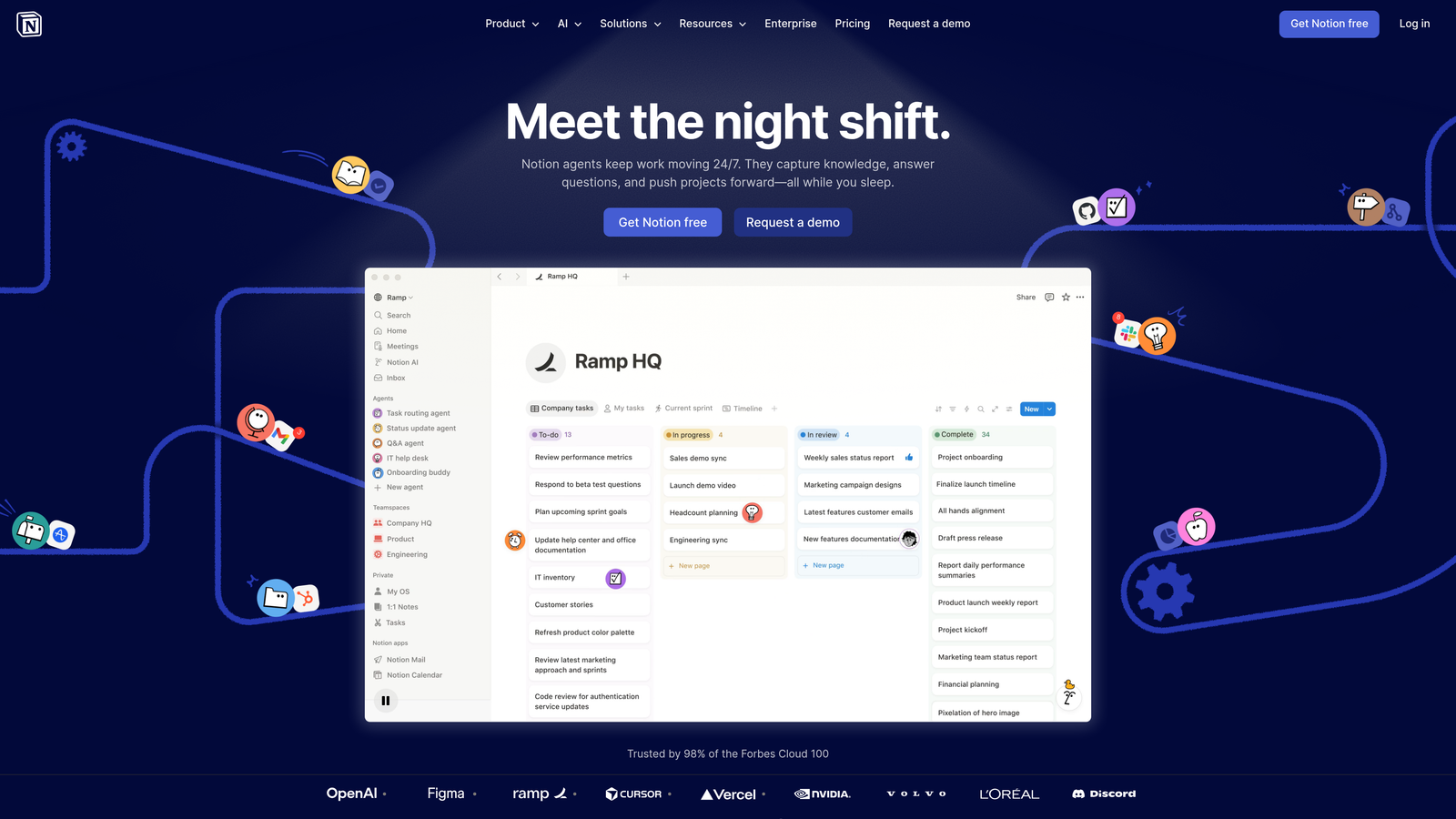
Notion is a flexible workspace tool that functions as a central hub for organizing your entire pillar-cluster content operation, from initial planning through publication.
Where This Tool Shines
Notion is not an SEO tool, but it fills a critical gap that SEO tools leave open: keeping everything organized. When you are managing a pillar page and eight to twelve supporting cluster posts simultaneously, you need a system that tracks what has been assigned, what is in draft, what is in review, and what is live.
The relational database feature is particularly powerful for pillar-cluster work. You can create a database of pillar pages and link each one to its associated cluster posts, so the architecture is always visible and nothing falls through the cracks.
Key Features
Relational Databases: Links pillar pages to their supporting cluster posts in a structured database, making the full content architecture visible at a glance.
Kanban Boards and Calendar Views: Tracks content status from idea to published and gives editors a timeline view of upcoming publication dates.
Content Brief Templates: Stores standardized brief formats that writers can fill out for every new pillar or cluster page, keeping output consistent.
Team Collaboration: Supports comments, task assignments, and page sharing so writers, editors, and strategists can work together without switching between tools.
Best For
Content teams of any size that need a centralized, customizable workspace to manage the planning and production side of a pillar-cluster strategy without paying for an enterprise project management platform.
Pricing
Free for individuals. Team plans start at $10/user/month.
7. Whisk (formerly Link Whisper)
Best for: Automating internal link building between pillar pages and cluster posts in WordPress.
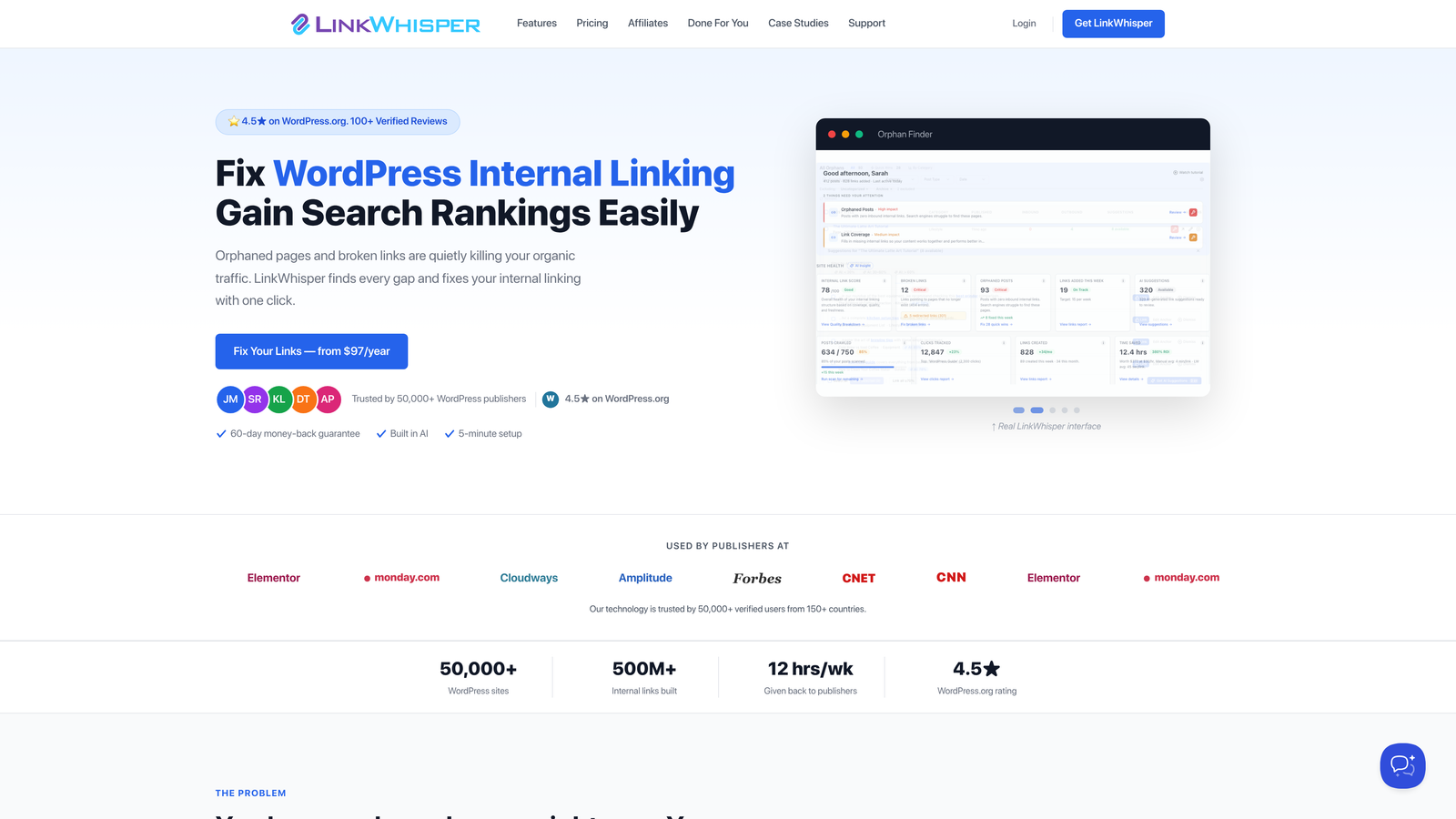
Whisk is a WordPress plugin that uses AI to suggest and insert internal links as you write, helping you build the linking structure that makes a pillar-cluster strategy work at the technical level.
Where This Tool Shines
Internal linking is the mechanism that connects your pillar page to its cluster posts and signals topical authority to search engines. Without consistent internal links, even well-written content underperforms. Whisk automates the most tedious part of this process by surfacing relevant link suggestions in real time as you create or edit content.
For sites with existing content that was published before a pillar-cluster structure was in place, the bulk link insertion feature is a significant time saver. You can connect dozens of older posts to your new pillar pages without manually editing each one.
Key Features
AI-Powered Internal Link Suggestions: Recommends relevant internal link opportunities as you write or edit posts, with one-click insertion directly in the WordPress editor.
Internal Link Reporting Dashboard: Shows which pages have strong internal link profiles and which are orphaned, so you can prioritize where attention is needed.
Bulk Link Insertion: Allows you to add internal links to multiple existing posts at once, useful when retrofitting older content into a new cluster structure.
Broken Link Detection: Flags internal links that point to deleted or redirected pages before they affect user experience or crawl efficiency.
Best For
WordPress site owners and content managers who publish frequently and need an efficient way to maintain a strong, consistent internal linking structure across a growing content library.
Pricing
Starts at $77/year for a single site license.
8. Clearscope
Best for: Semantic optimization to ensure each page meets the language and topical expectations of search engines.
Clearscope is a content optimization platform that uses natural language processing to analyze top-ranking pages and tell you which concepts and terms your content needs to include to be considered comprehensive by search engines.
Where This Tool Shines
Clearscope is particularly valuable for pillar pages, which need to cover a topic broadly and thoroughly. Its grading system, which runs from F to A++, gives writers a clear target to hit and makes the editorial review process more objective. If a draft scores a C, you know it needs more semantic depth before it is ready to publish.
The competitor comparison feature shows you how your content stacks up against the pages currently ranking in the top ten, so you can identify specific gaps without guessing.
Key Features
Content Grading (A++ to F Scale): Scores drafts based on semantic relevance and term coverage, giving writers and editors a measurable quality benchmark.
Term Frequency Analysis: Identifies which concepts appear consistently across top-ranking pages and shows how often your draft includes them.
Google Docs and WordPress Integrations: Brings Clearscope's recommendations directly into the writing environment so optimization happens during drafting, not after.
Competitor Content Comparison: Shows how your content compares to the top-ranking pages for a given keyword, highlighting specific areas where depth is lacking.
Best For
Content teams that produce high-stakes pillar pages and want a rigorous, data-driven process for ensuring each page is semantically comprehensive before it goes live.
Pricing
Starts at $189/month (Essentials plan).
9. Google Search Console
Best for: Free, direct performance monitoring of every pillar page and cluster post in Google search.
Google Search Console is Google's free tool for monitoring how your content appears and performs in search results, making it an essential part of any pillar-cluster strategy.
Where This Tool Shines
No third-party tool gives you more accurate performance data than Search Console because it comes directly from Google. You can see exactly which queries are driving impressions and clicks to each page in your cluster, which tells you whether your content is ranking for the right keywords and where there are gaps worth addressing.
The internal links report is particularly useful for auditing your cluster structure. It shows which pages on your site receive the most internal links, helping you confirm that your pillar pages are properly supported and that no cluster posts are isolated from the rest of the architecture.
Key Features
Query-Level Performance Data: Shows impressions, clicks, click-through rate, and average position for every search query that surfaces your pages, broken down by individual URL.
URL Inspection Tool: Checks the indexing status of any page so you can confirm new pillar pages and cluster posts have been discovered and indexed by Google.
Internal Links Report: Displays how many internal links each page on your site receives, helping you verify that your cluster architecture is properly connected.
Core Web Vitals Monitoring: Tracks page experience metrics like loading speed and layout stability, which affect how Google evaluates your content for ranking.
Best For
Every website owner, regardless of budget or experience level. Search Console is the baseline monitoring tool for any content strategy and should be the first thing you set up before publishing a single page.
Pricing
Completely free with no usage limits.
Choosing the Right Tools for Your Strategy
The pillar-cluster model works because it is systematic. Each tool in this list serves a specific phase of that system, and understanding which phase you need the most help with will guide your selection.
If you want someone to build and manage the full strategy for you, North Valley Solutions is the only option on this list that handles everything from content architecture to lead conversion. It is the right fit for business owners who want results without having to become SEO experts themselves.
For research and planning, Semrush and Ahrefs are the two most capable platforms for identifying pillar topics, clustering keywords, and analyzing competitors. MarketMuse adds a layer of personalization by evaluating your site's existing authority before recommending where to invest next.
For content optimization, Surfer SEO is the better choice for writers who want real-time guidance during drafting. Clearscope is stronger for teams that want a rigorous semantic review process for high-stakes pillar pages.
Notion keeps your production workflow organized when you are managing multiple pillar topics and dozens of cluster posts simultaneously. Whisk handles the internal linking layer that connects everything at the technical level. And Google Search Console is the non-negotiable free tool that tells you how all of it is actually performing in search.
You do not need every tool on this list to get started. Pick the ones that address your current bottleneck and build from there. A focused, well-executed strategy with three or four tools will outperform a fragmented approach using all nine.
If you want expert help building a pillar page strategy that is connected to real lead generation, the team at North Valley Solutions works exclusively with one business per niche per market. Ready to rank higher and grow? Schedule a quick call and they will show you exactly how to build a content system that drives consistent traffic and books customers on your calendar.